

GoPeptideGuide.com

This site is intended for research purposes only. Peptides are not recommended for human consumption.

Guide to Peptides Practical Education

Get straight answers on peptide dosages, reconstitution, and research protocols.

Featured Protocols

These protocols cover dosage, reconstitution, and tips for effective research.

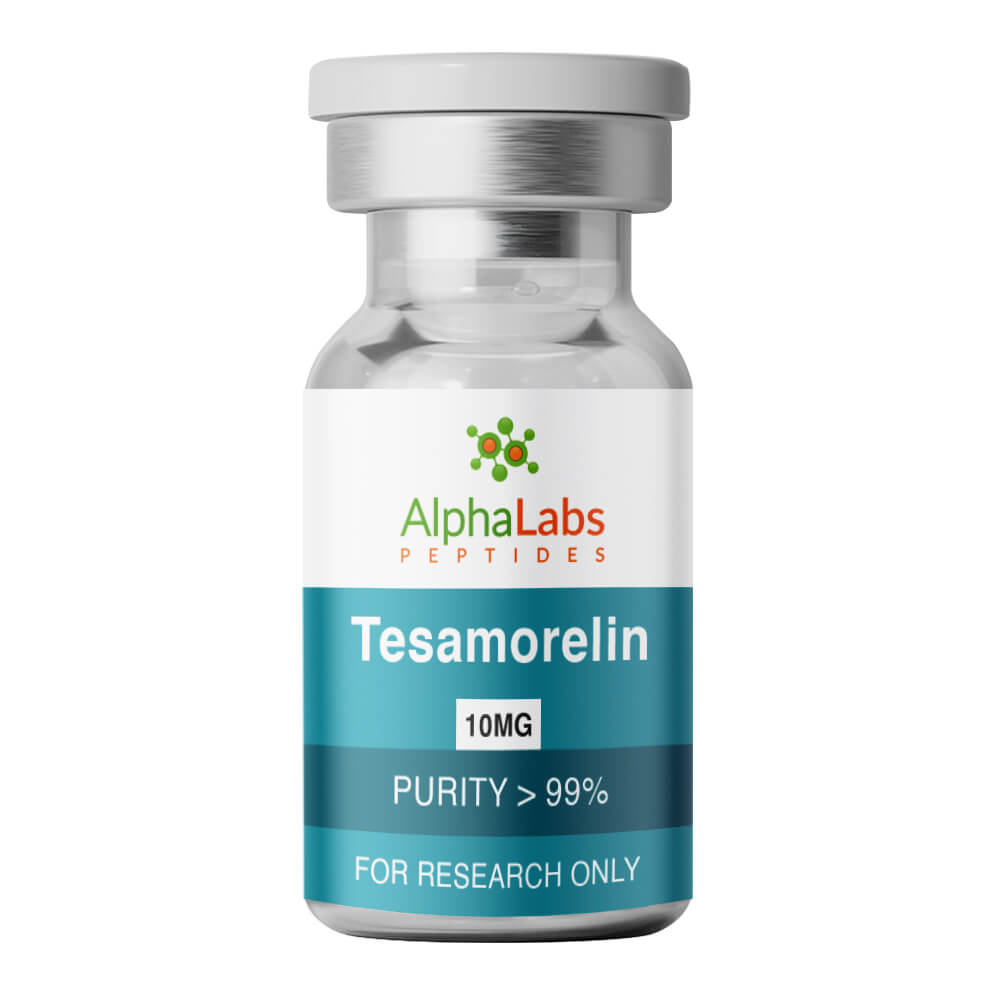
Tesamorelin-10mg-scaled-1
Tesamorelin (20mg Vial)
Tesamorelin (20 mg Vial) is a research peptide studied for growth hormone release, metabolic support in laboratory research studies.
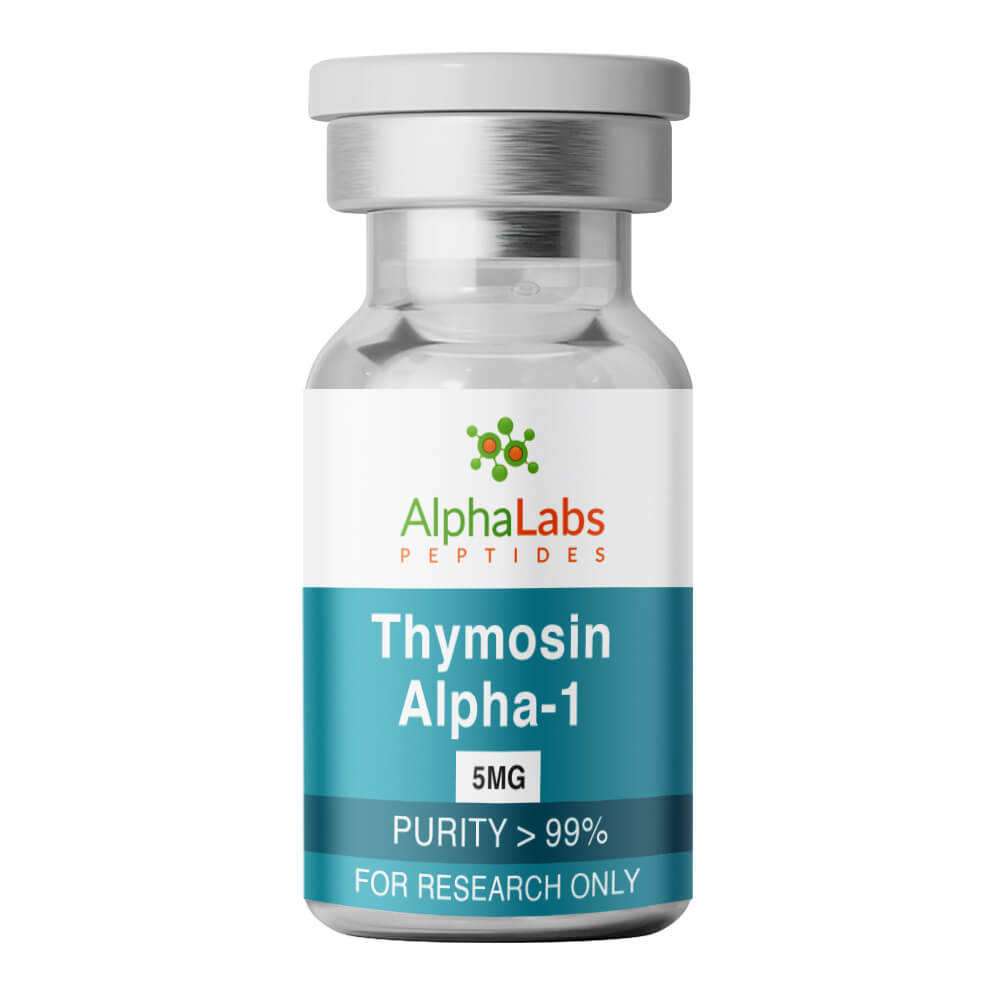
Thymosin-Alpha-1-5mg
Thymosin Alpha-1 (5mg)
Thymosin Alpha-1 (5 mg) is a research peptide studied for immune system regulation and T-cell activity in laboratory research studies.
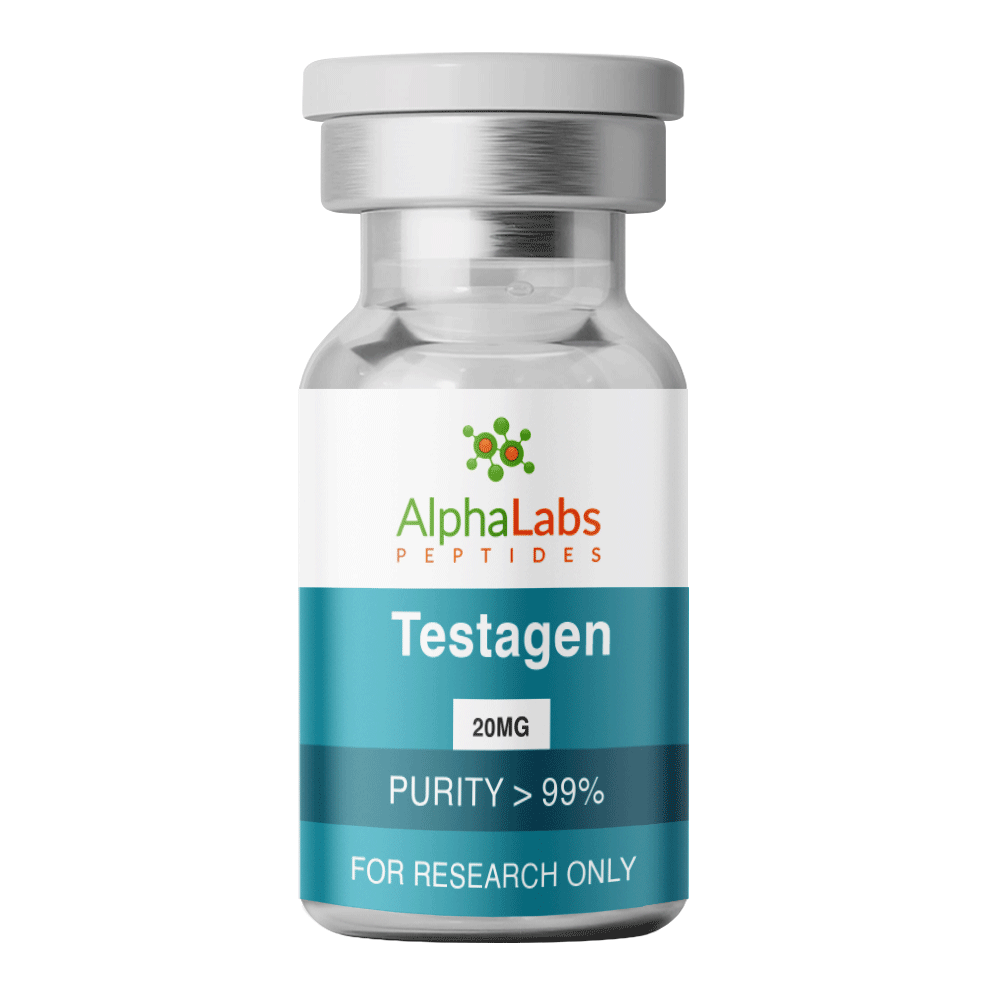
Testagen-20mg
Testagen (20mg)
Testagen (20 mg) is a research peptide studied for testosterone support, hormonal balance, and reproductive health in laboratory research studies.
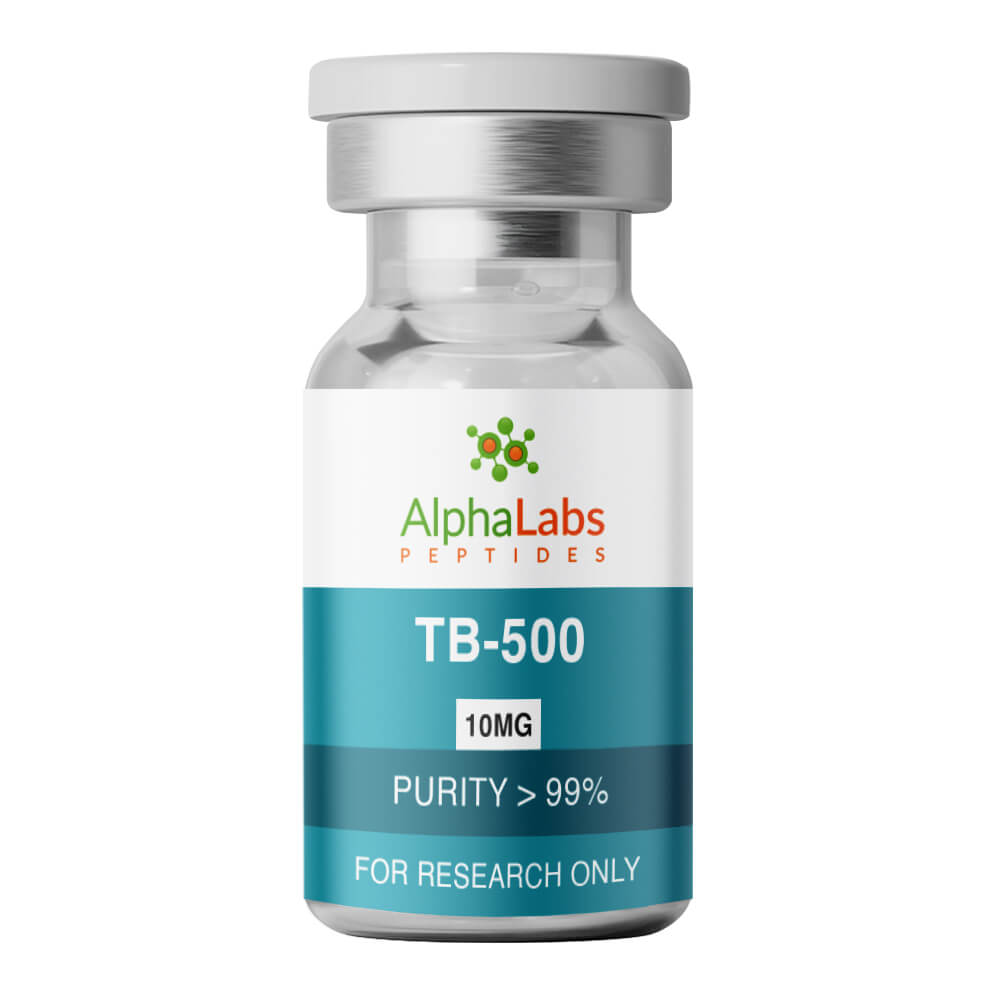
TB-500-10mg
TB-500 (10mg)
TB-500 (10 mg) is a research peptide studied for tissue repair, cell migration, and regenerative processes in laboratory research studies.
SNAP-8-10mg
SNAP-8 (10mg)
SNAP-8 (10 mg) is a research peptide studied for neuromuscular signaling and skin physiology mechanisms in laboratory research studies.
Oxytocin-5mg-vial
Oxytocin (5mg)
Oxytocin (5 mg) is a research peptide studied for social bonding, emotional regulation, and neuroendocrine signaling in laboratory research studies.

Why Our Guides?

We aim to simplify peptide research by offering:

Understand What Peptides Are

Peptides are short chains of amino acids that act as signaling molecules in the body, influencing processes like muscle growth, fat loss, skin health, and recovery.

Choose Tested Peptides

Only purchase from reputable, research-grade suppliers. Look for certificates of analysis (COA) that confirm purity and potency.

Accurate Measurement

Always measure with an insulin syringe for precision. Double-check your math for dosage conversion (mg to mL or units).

Timing and Frequency

Follow your specific protocol. Some peptides are best taken in the morning, others before bed, or post-workout — depending on their mechanism.

Proper Storage Matters

Store peptides in a cool, dark place. Most lyophilized (powdered) peptides should be kept in the refrigerator before and after reconstitution.

Injection Technique

Inject subcutaneously (under the skin) in areas with body fat — such as the abdomen or thigh. Rotate injection sites to avoid irritation.

Combine with Lifestyle Factors

Enhance peptide results with good nutrition, hydration, sleep, and consistent exercise. Peptides work best as part of a balanced regimen.

Reconstitution

Use bacteriostatic water or sterile saline for reconstitution. Add it slowly along the vial’s side to prevent foaming or damaging the peptide bonds.

DRAW & DOSE CALCULATOR

Dose Icon

Dose of Peptide

  • 0.1mg
  • 0.25mg
  • 2.5mg
  • 0.5mg
  • 1mg
  • 5mg
  • 7.5mg
  • 10mg
  • 12.5mg
  • 15mg
  • 50mg
  • Other
2.5 mg = 2500 mcg(μg)
Strength Icon

Peptide Strength

corresponds with the size of your vial

  • 1mg
  • 5mg
  • 10mg
  • 15mg
  • 20mg
  • 30mg
  • 50mg
  • 1000mg
  • Other
Common Strengths

BPC-157: 10mg

NAD+: 1000mg

Water Icon

Bacteriostatic Water

determines peptide concentration

  • 0.5mL
  • 1.0mL
  • 1.5mL
  • 2.0mL
  • 2.5mL
  • 3.0mL
  • 5.0mL
  • Other
Common Amounts

GLP-1s: 2mL - 3mL

Peptides: 3mL

NAD+: 5mL

Result

PEPTIDE DOSE

2.5 mg

DRAW SYRINGE TO

50 units
Syringe

YOUR VIAL CONTAINS

2.0 doses

CONCENTRATION

5.00 mg/mL

Ready to Explore More?

Browse all our protocols, learn about the latest research, or request a custom dosage guide tailored to your project.

Scroll to Top